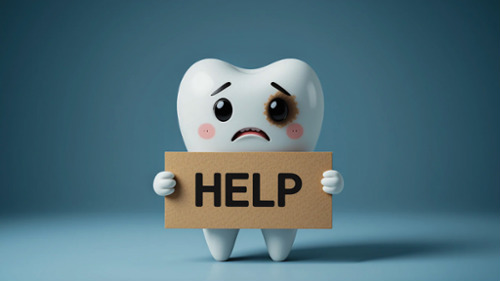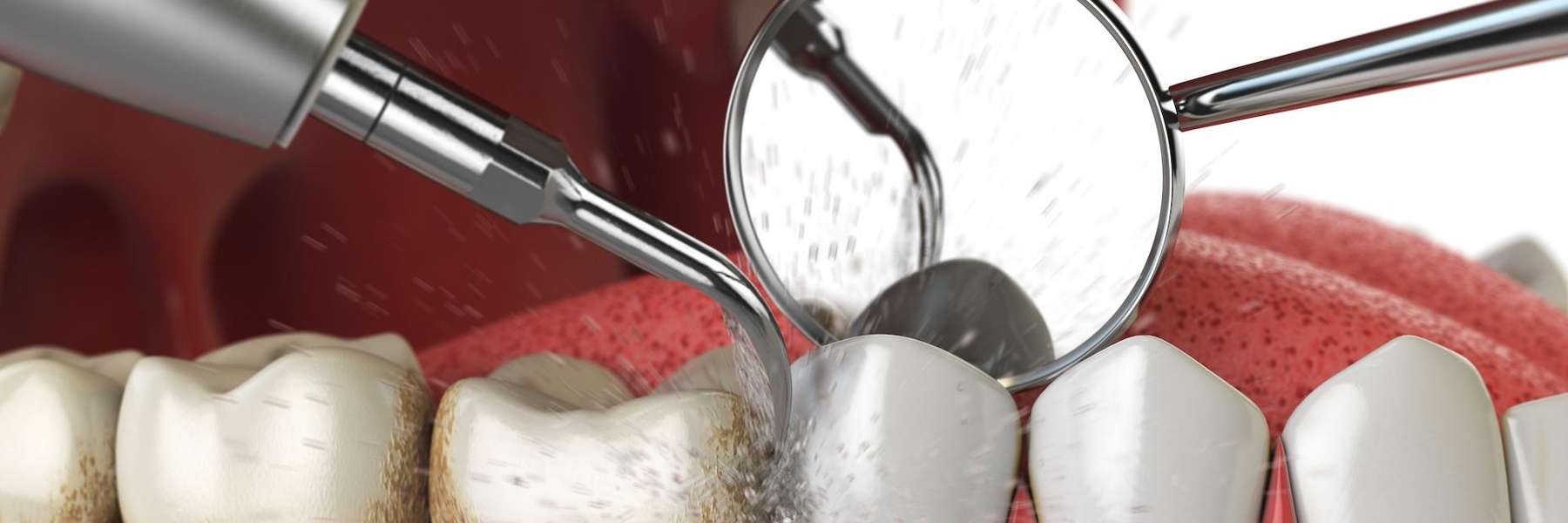

A comprehensive and consistent oral health routine is crucial to robust bite integrity and smile aesthetics. The sooner a person commits to becoming an active participant in their oral health, the smoother their journey to a lifetime of bright, healthy, and confident smiles!
Today, we’re exploring the crucial role of dental care during childhood, and its role is not just in ensuring our children’s oral health as they grow up but also in instilling in them the paramount long-term importance of committing to robust oral hygiene practices.
When Should Your Kids First Visit the Dentist?
The idea that a child should first see a dentist at about one year of age may seem excessive to many parents. However, scheduling a first dental visit allows a dentist to begin assessing and monitoring the development of a baby’s gums, first teeth, and jawbone. This provides an opportunity to identify and address any potential issues early on.
When Should Children Regularly See the Dentist?
According to the American Dental Association, children are susceptible to cavities when they have teeth.
Starting with regular visits (two per year) at this age is vital since, also according to the ADA, over a third of kids under age five get cavities in their baby teeth. These still require professional treatment, both because they’re often quite painful and because, without treatment, they can hinder the development of proper eating, speaking, and sleeping.
Why Are Early Dental Visits Important?
Scheduling regular dental exams for young kids ensures they receive the preventive and corrective care they need to set them up for a lifetime of healthy smiles. By avoiding early cavities and potentially more serious issues, these early dental visits provide an excellent foundation for a strong oral care routine and a positive relationship with their dentist.
Caring and Friendly Pediatric Dentist in Palos Heights, IL
If you’re in the Palos Heights area and want a skilled, experienced, and empathetic dental team to help your child through the crucial developmental stages of their oral health, contact Dr. Richard Facko, DDS, and the friendly and knowledgeable Palos Pediatric Dentistry team to schedule an appointment!