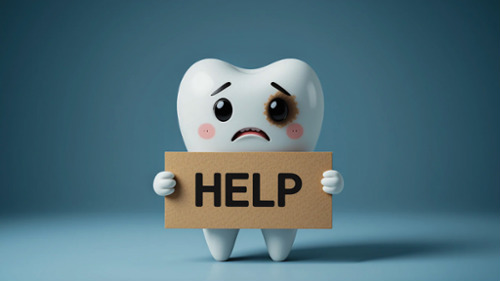
Nobody needs to be told that candy is bad for their kids' teeth. But there's a whole category of foods that parents assume are healthy — smart choices, good alternatives to junk food — that are quietly causing just as many cavities. Some of them are probably in your pantry right now.
Why These Foods Are Problematic
Before we get into the list, it helps to understand what makes a food dangerous for teeth. Three factors matter most:
- Sugar and starch — both feed the cavity-causing bacteria in your child's mouth.
- Stickiness — foods that adhere to the surfaces and grooves of teeth extend the exposure time well beyond the actual eating. The bacteria keep feeding long after the snack is finished.
- Duration and frequency — grazing on something over a long period is worse than eating the same food quickly in one sitting. Each exposure resets the clock on bacterial activity.
The foods on this list tend to hit two or three of those factors at once, which is what makes them so problematic despite their healthy reputation.
Dried Fruit
Raisins, dried mango, dried cranberries, apricots, and the whole category. The data on raisins specifically is a little mixed, but for most dried fruit, the cavity risk is well established.
Here's a useful way to think about it: compare a handful of raisins to the same number of grapes. You can eat far more raisins in one sitting because the water has been removed, they're calorie and sugar-dense. And unlike grapes, which you chew and swallow, raisins get packed into every groove and crevice of your teeth and stay there. Check the ingredients on most packaged dried fruit, and you'll often find sugar listed as the second ingredient, added on top of the fruit's natural sugar content.
Whole fresh fruit is a genuinely good snack. The dried version of the same fruit is a very different story.
Granola Bars
Marketed as a health food, often eaten as a meal replacement or after-school snack. The problem is twofold: they're typically high in sugar, and they're held together by something sticky, honey, syrup, or similar binders — that does exactly what you'd expect in your child's mouth.
The healthy packaging makes us feel good about giving them, which means we give them more often. That frequency compounds the problem.
Goldfish Crackers
A staple of toddler and school-age snacking. Starches, which means they break down into simple sugars in the mouth. And the way kids typically eat them, a handful here, a handful there, grazing from a bowl over the course of an afternoon, creates exactly the kind of prolonged, repeated exposure that causes cavities.
The fun snack bowl with the spill-proof lid is convenient. It's also keeping a steady supply of starchy food in contact with your child's teeth for hours at a time.
Fruit Pouches
The front of the pouch says something like "contains seven apples" and shows a picture of fresh fruit. It feels like a win; your toddler is getting fruit without the mess or the fight.
But there are a few problems. Seven apples' worth of sugar and carbohydrates, concentrated and pureed, is not the same as seven apples. The fiber is gone, the chewing is gone, and the natural clearing mechanism that comes with eating whole fruit is gone. What remains is essentially sweetened puree delivered in a format that encourages slow sipping, often in the car, often over a long stretch of time. That's a prolonged exposure in a very young mouth.
We do it because it's easy and it feels healthy. The teeth see it differently.
Gummy Vitamins
This one catches parents off guard. Gummy vitamins are still gummies, sticky, sugary, and designed to adhere to teeth. The vitamin content doesn't offset the dental risk.
If your child is taking gummy vitamins, it's worth looking for a chewable alternative instead. The chewable versions clear from the mouth more quickly and don't have the same stickiness problem. If gummies are the only format your child will take, having them brush or at least rinse with water immediately afterward helps.
Peanut Butter and Crackers
A classic snack that hits multiple risk factors at once. Crackers are starchy. Peanut butter (check the label) typically contains sugar and salt alongside the peanuts. And the combination creates a dense, sticky paste that gets pressed into every surface of your child's teeth and stays there long after snack time is over.
It's not that peanut butter and crackers are off-limits; it's that they're better eaten as part of a meal where there's more saliva flow and other foods to help clear the mouth, rather than as a standalone snack that sits on the teeth for the rest of the afternoon.
Sports Drinks
Covered in more depth in our sugar video, but worth repeating here: sports drinks at youth practices and games are one of the most widespread cavity-causing habits we see, and one of the hardest to change because they're so embedded in youth sports culture.
There is no performance benefit for kids in events under an hour. The only thing sports drinks are doing at your child's soccer practice is bathing their teeth in sugar and acid for the duration of the game.
Water during activity. A piece of fruit or a small snack after. That's all they need.
Better Alternatives
Rather than focusing on what to take away, it's easier to stock the house with things that work. A few genuinely good options:
- Whole fresh fruit — clears from the mouth quickly, contains fiber, doesn't stick
- Cheese — there's actually some evidence that cheese may have a mild protective effect on teeth
- Nuts — satisfying, low in sugar, don't stick
- Water — the default drink between meals, helps flush the mouth after eating
The families who navigate this best aren't the ones who ban everything; they're the ones who stop buying the problem foods, so they're not in the house to begin with. It's a lot easier to say yes to good options than to fight over the bad ones every day.
Your Palos Heights Dental Team is Here to Help
If you’re starting to wonder whether your child’s diet could be affecting their teeth, you’re not alone. Small changes can make a big difference, especially when it comes to everyday snacks. If you’d like a closer look at your child’s oral health or have questions about cavity prevention, our team is here to help. Schedule a visit with our office to get personalized guidance and keep your child’s smile on track.