
Infant Oral Health in Palos Heights, IL
Keeping your child’s teeth safe and healthy starts before they even grow in.
Parents are advised to clean their baby’s gums using a soft damp cloth twice a day. Plaque can still form, and this ensures that their baby teeth grow in safely. Parents are also advised to limit sugar or juice drinks. Proper oral hygiene for your child involves a lot of gentle techniques like these. It’s good to incorporate a soft-bristled baby toothbrush past the age of two, as well as specially formulated toothpaste for toddlers.
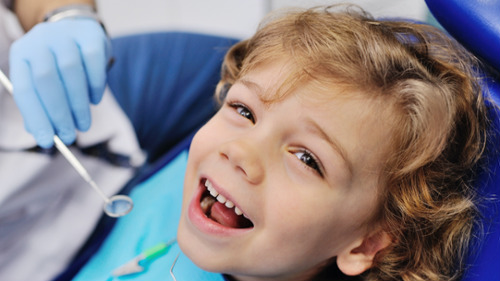
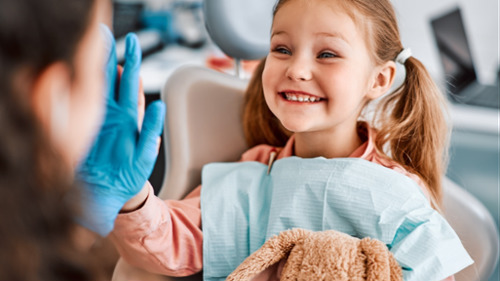
At our Palos Heights, IL dental office, we firmly believe that engaging in regular healthy dental cleanings will set good habits for your child. Even diligent little brushers can still miss some spots, and routine oral cleanings will help remove plaque and look out for food deposits.
Make Brushing Fun!
Establishing proper teeth cleaning habit starts early, so kids understand how to do their part in maintaining oral health. Reinforcing brushing and flossing is an important and fun routine for the family.
Here are some tips for parents to get implement in daily brushing routines:
- Get involved. Children who brush unsupervised may not realize they are not doing the job correctly.
- Set a timer. Most children know they need to brush twice a day, but they may only do it for a few seconds and consider it complete. Setting a timer for 2 minutes ensures that they do the full time. Battery-operated toothbrushes have a built-in timer that might also work.
- Floss once a day. This will get them in the habit of enjoying clean teeth.
- Brush on all sides. Watch them brush on the top, bottom, back, and front. Many children only brush the front part because they don’t think about the areas they can’t see.
Teaching your children about proper oral hygiene creates a bond between parents and their child. Brushing along with your child can make the routine fun and family oriented!
Contact Us
Our team at Palos Pediatric Dentistry has many techniques on helping your child become successful and stay healthy. To learn more about keeping your child's smile healthy, contact our office to schedule an appointment with our team.