Children's Dentistry in Palos Heights
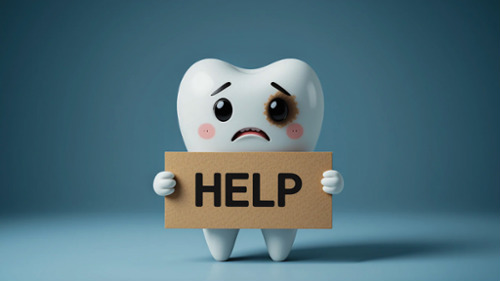
I hear the same thing almost every day at my practice. “I have soft teeth”, “I hope my kids don't get my teeth”, “I hope my kids get my husband's teeth”, and every variation you can think of. Let me take a risk and hope you will take a leap of faith and read this entire post.
You probably don't have soft teeth. And by probably, I mean that more than likely, you have perfectly normal teeth (there are a few rare genetic conditions that truly do cause “soft teeth”, but they are indeed very rare, and easily identified by an experienced dentist). You MAY, however, be at a much higher risk for cavities than other people. But I think that this is an important and useful distinction to make.
First, let's start with the assumption that you or your kids have “soft teeth”. The biggest issue that I have with this mentality, aside from the fact that it might not be entirely accurate, is that it is a negative statement. If you assume you or your kids have soft teeth, you have conceded that you're going to continue to get cavities, and that's “just the way it is”. I believe that taking a different point of view, “why do I get more cavities than other people?” is a more productive mindset.
Saliva and Soft Teeth
There are endless reasons why, despite eating and drinking the same things, and brushing and flossing just like everyone else, some people get more cavities than others. One very strong possibility has to do with what's in your mouth. But not your teeth! Saliva is a very important factor in cavity prevention. Think of it as your body's first line of defense against cavities. People who produce more saliva will have their mouths cleared of cavity-causing carbohydrates faster than people who make less saliva.
Quantity of saliva can be affected by a variety of factors. Dehydration can cause lower saliva levels, so staying well-hydrated is important for your body and your teeth. Also, most medications cause dry mouth to some degree, so people who are regularly taking medications should be sure to stay hydrated, and to drink water after each meal to help clear the mouth of leftover food. The water you drink serves three very important purposes: to keep you hydrated and help to produce more saliva, to clear your mouth of food after you eat, and to expose your teeth to fluoride from tap water.
Not only does the quantity of saliva play a role in cavity risk, but the quality of saliva is also an important factor. There are many ingredients to saliva, including calcium and immune factors. People who naturally have more calcium in their saliva may be at a lower risk for cavities than others. Also, saliva is part of our immune system, and helps to reduce the number of harmful bacteria in our mouths. Just like people who are more prone to getting the common cold, there are people who are more prone to getting cavities.
All that being said, if you find that you are at higher risk for cavities, it means that you will need to be more diligent with cavity prevention than other people. While your friends and co-workers may be able to drink soda and juice regularly and not get cavities, you may not have that luxury. Fair? No way. But taking a different view on cavities can help you and your children get fewer cavities in the future!