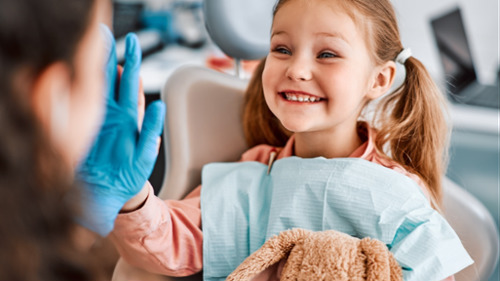

Children learn dental habits at a young age that can carry on through their childhood. While many parents think that teaching their children good oral hygiene isn’t important until they grow their adult teeth, this is actually far from the truth. Your child’s first dental visit should be about six months after their first teeth grow in to no later than three years old. Palos Pediatric Dentistry specializes in children’s dentistry and can help your child develop good dental hygiene habits early.
Importance of Early Dental Visit
They will be more comfortable with dentists – Many adults experience anxiety when they have to go to the dentist, so it is likely your child does as well. Starting their dental visits as early as one can mean that your child will be more comfortable and relaxed during future visits. Dentists that often work with children can also make these dental visits fun so they look forward to coming back.
They develop better habits – Teaching your children how to take care of their teeth and the importance of dental visits will set them off on the right track. The habits they learn at a young age will carry on through their lives and help them maintain their oral health so they won’t develop cavities and gum disease as they get older.
Fix early problems – Many parents use pacifiers as way to calm their babies, but it is important to stop the use of pacifiers after the age of three. Prolonged use can lead to a habit of sucking their thumb which can cause their teeth to shift outwards causing problems with speech development and functionality. Keeping up on their dental visits can also help the dentist catch early signs of cavities or orthodontic needs.
Healthy diets – Your child’s diet will have a lot of influence on their dental health. If they have diets that are high in sugar from juice, soda, and sweets, they can develop cavities in their baby teeth. This may not seem like a big deal because they are going to be replaced by their adult teeth, but cavities and decay can carry over into their adult teeth and cause future problems down the road.
See a Specialist in Palos Heights, IL
There are many dentists that provide services to children, but our main focus is on the dental health of your child. If you are looking the best pediatric dentist in the Palos Heights, IL area, then you don’t have to look any farther. If you have any questions about our children’s dental services, or to schedule an appointment, please contact our office today!